Skip to main contentSkip to work section
1
0
1
0
1
0
1
0
1
0
1
0
1
0
1
0
1
0
1
0
1
0
1
0
1
0
1
0
1
0
1
0
1
0
1
0
1
0
1
0


Hello, Fullstory. I'm

Chandler Van De Water.

I'm a  designer and frontend developer who thrives on bridging the gap between form and function. Over the past 15 years, I've thoughtfully designed and built for developers, Fortune 500 data teams, and consumers. I'm excited to shape the future of the web at Fullstory.

Product Design

Enterprise UX, Design Systems, IA, Animation

Development

Next.js, React, TypeScript, SSR/ISR, Monorepos, Node

Collaboration

Cross-functional, Design-Dev Bridge, Small Team Leadership

Modern Stack

AI, Microservices, ISR, RSC, Server Actions, Monorepos

Hire Chandler at Fullstory

Featured Work

Enterprise product design and development across data infrastructure and industrial AI platforms

Access Management Redesign
Principal Product Designer & Engineer at RudderStack

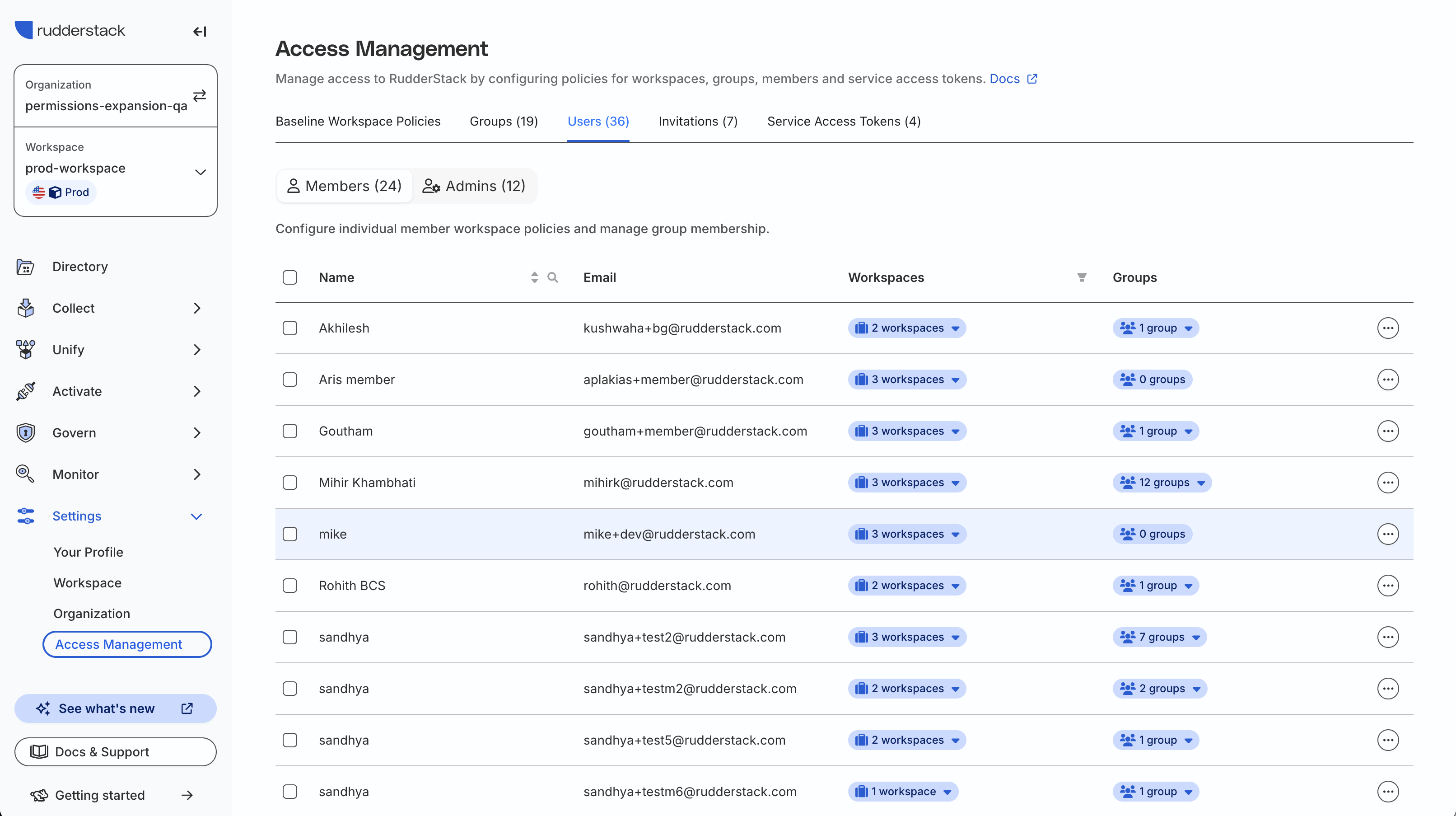
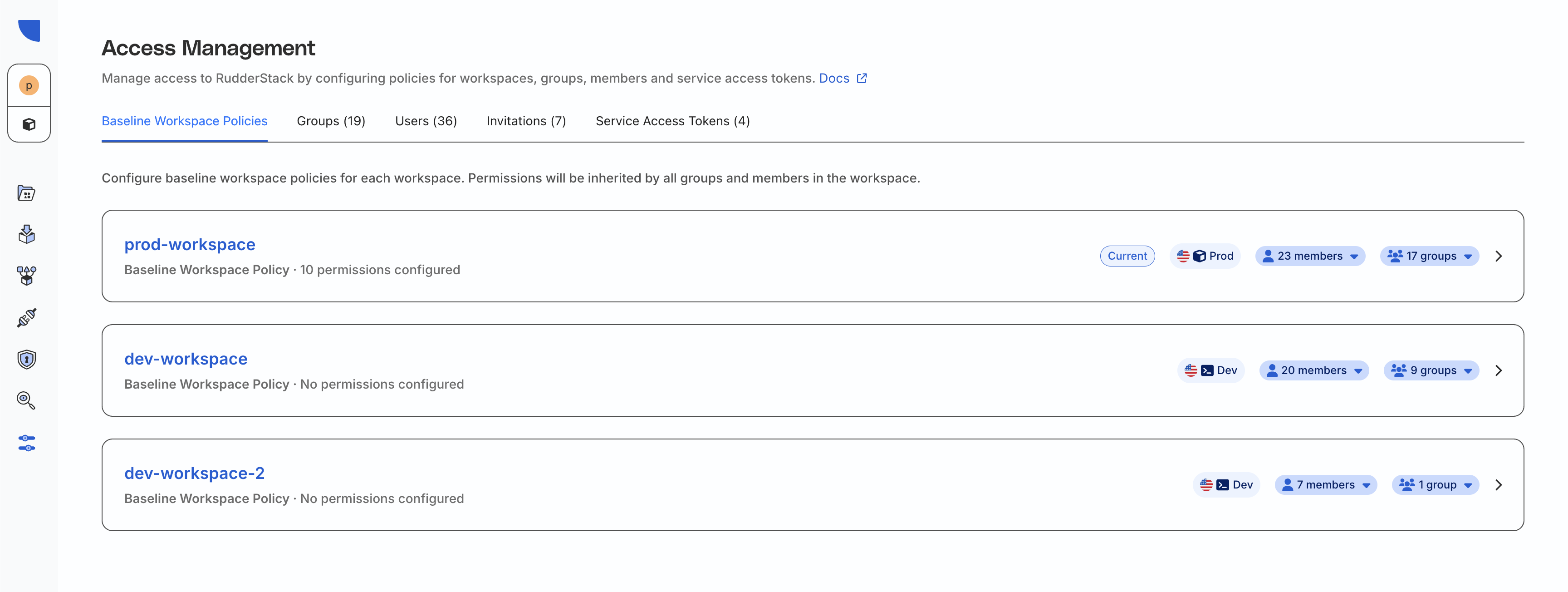
A complete design of our new access management system. The goal was for admins to be able to assign, understand, and manage permissions across workspaces, groups, and individuals. I turned a complex, technical model into a clear and intuitive interface, improving trust, and creating scalable patterns that extended our design system.

Project Details

UX
IA
Design Systems

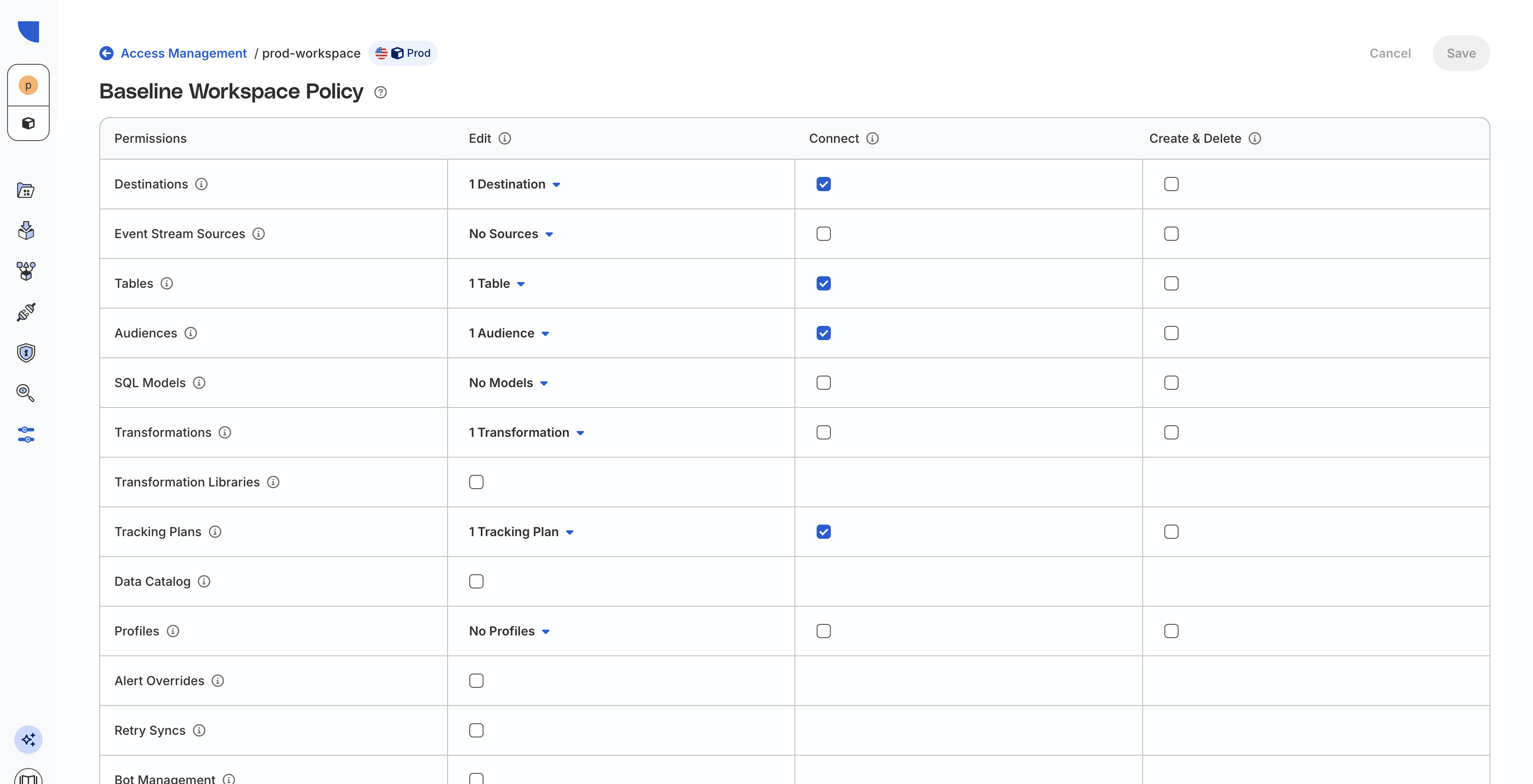
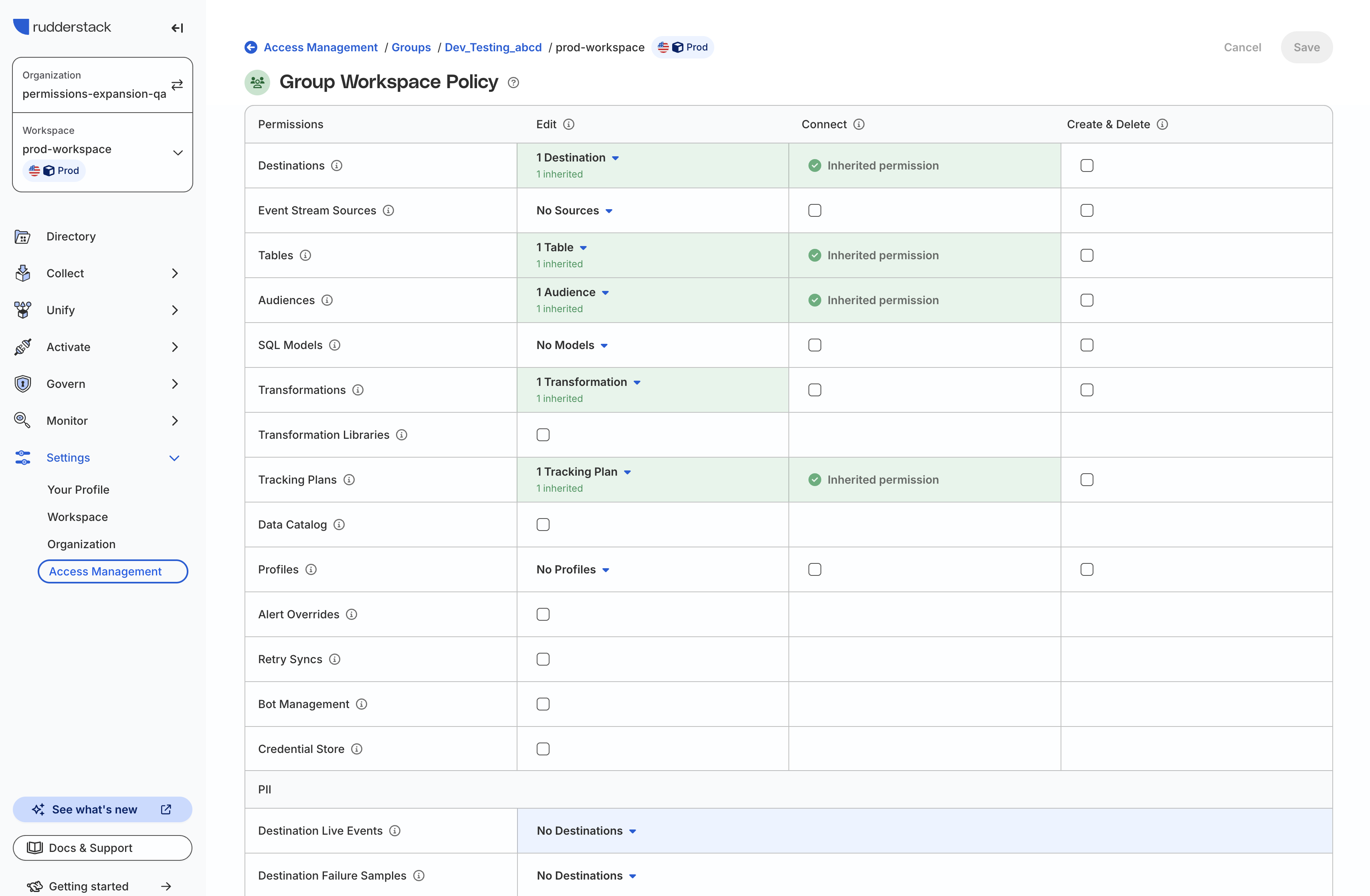
One of the central challenges was designing the interfaces between baseline workspace, group, and individual permissions. Each layer needed to feel familiar so admins weren’t relearning new patterns at every level, while still providing the right context to show why a permission existed and where it came from. By unifying these interactions under a consistent design language, I reduced the learning curve and gave admins confidence in managing complex policies.

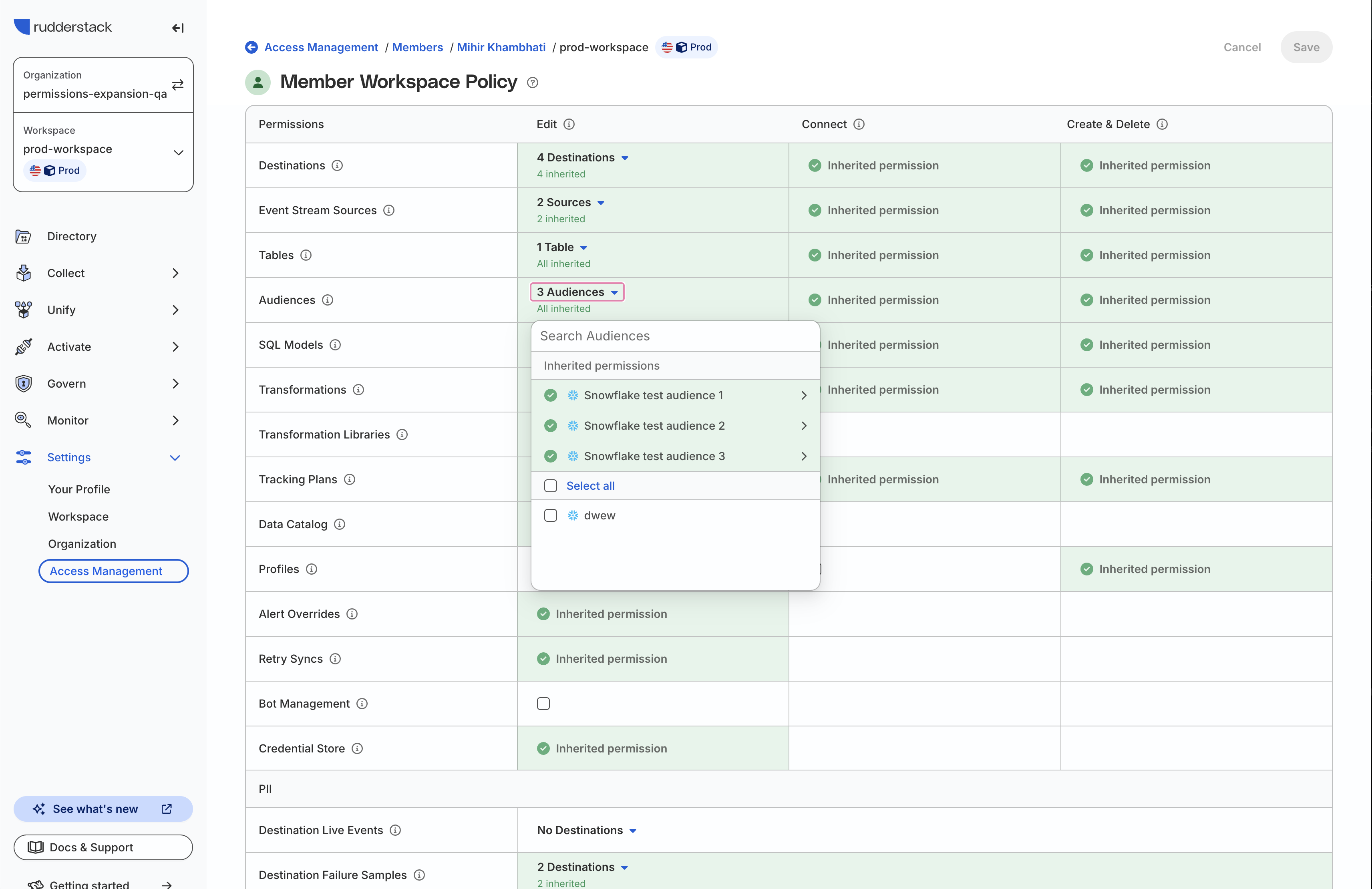
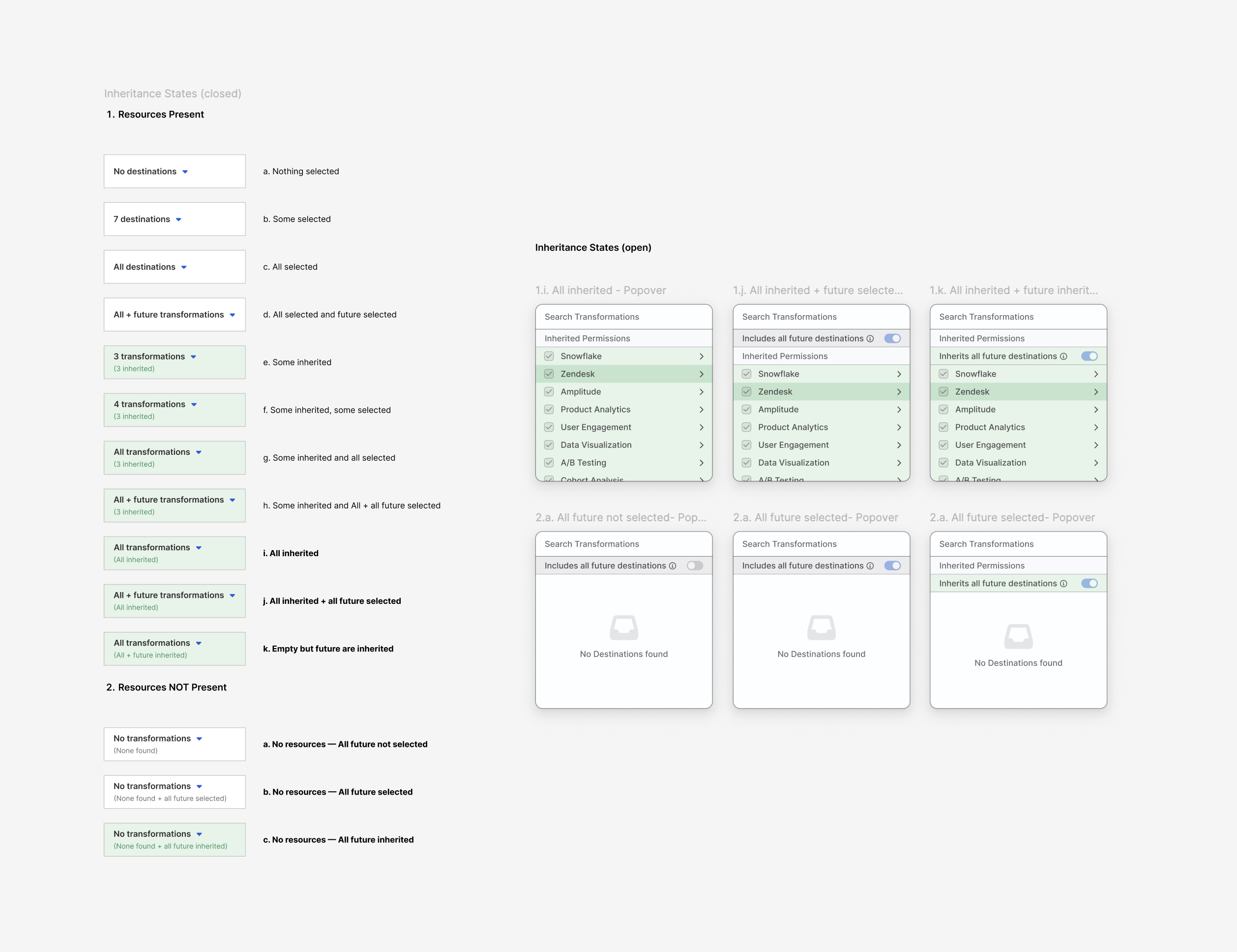
Designing for an additive architecture (where baseline, group, and individual permissions stacked together) introduced unique complexity, as overlapping grants could easily obscure why someone had access to a particular feature or function. To address this, I created the Inheritance Popover, a lightweight interaction that visualized inherited permission lineage in context, giving admins full context on the specific configurations within any policy. This not only clarified where access came from but also gave teams fine-grained control without losing sight of broader organizational rules.

Finally, I restructured the information architecture (updating the sidebar, aligning URL structures with breadcrumbs, and establishing consistent navigation) so admins could move across tiers of policy management without losing orientation.

Interface & Design Screenshots

New User Admin

New User Admin

Access Management Dashboard

Access Management Dashboard

Baseline Workspace Policy

Baseline Workspace Policy

Group Workspace Policy

Group Workspace Policy

Individual Policy

Individual Policy

Inheritance States

Inheritance States

Impact

Enabled users to confidently manage complex permissions while evolving our design system to support scalable, enterprise-level access patterns. Praise from Procter & Gamble as "very intuitive and immediately useful" and from FootLocker: "we immediately met our internal infosec requirements and will work towards fine-grained, role-based control."

Transformations Redesign
Principal Product Designer & Engineer at RudderStack

Redesigned RudderStack's most highly adopted and loved feature, taking it from a basic inline code editor to a fully-featured dev tool, including test suites.

Project Details

IA
UX
Design Systems
TypeScript

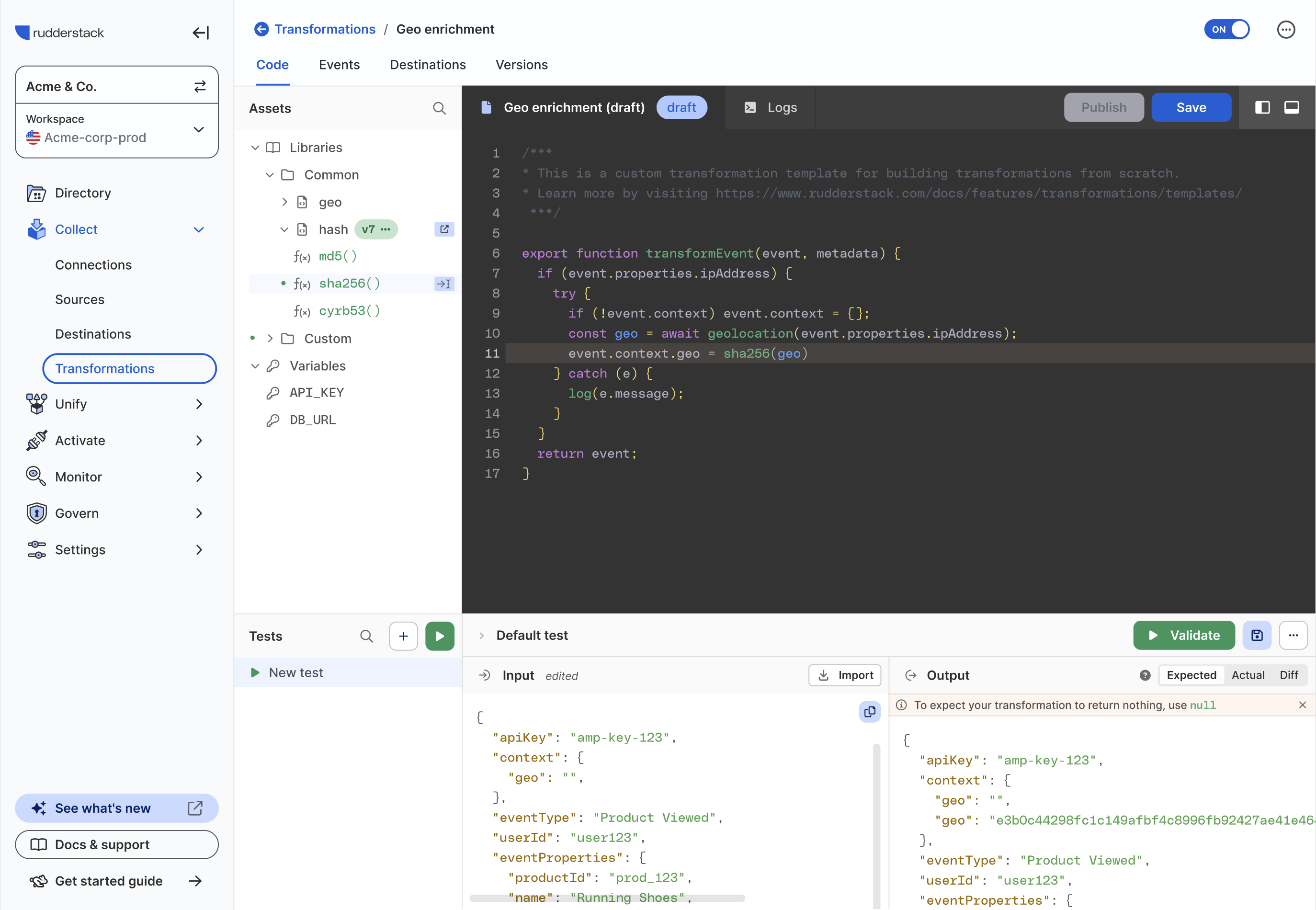
I led the redesign of one of RudderStack's core features, Transformations, evolving it from a simple inline code editor into a more robust, developer-friendly workspace. The previous experience made it difficult for users to manage complex logic or validate changes with confidence.

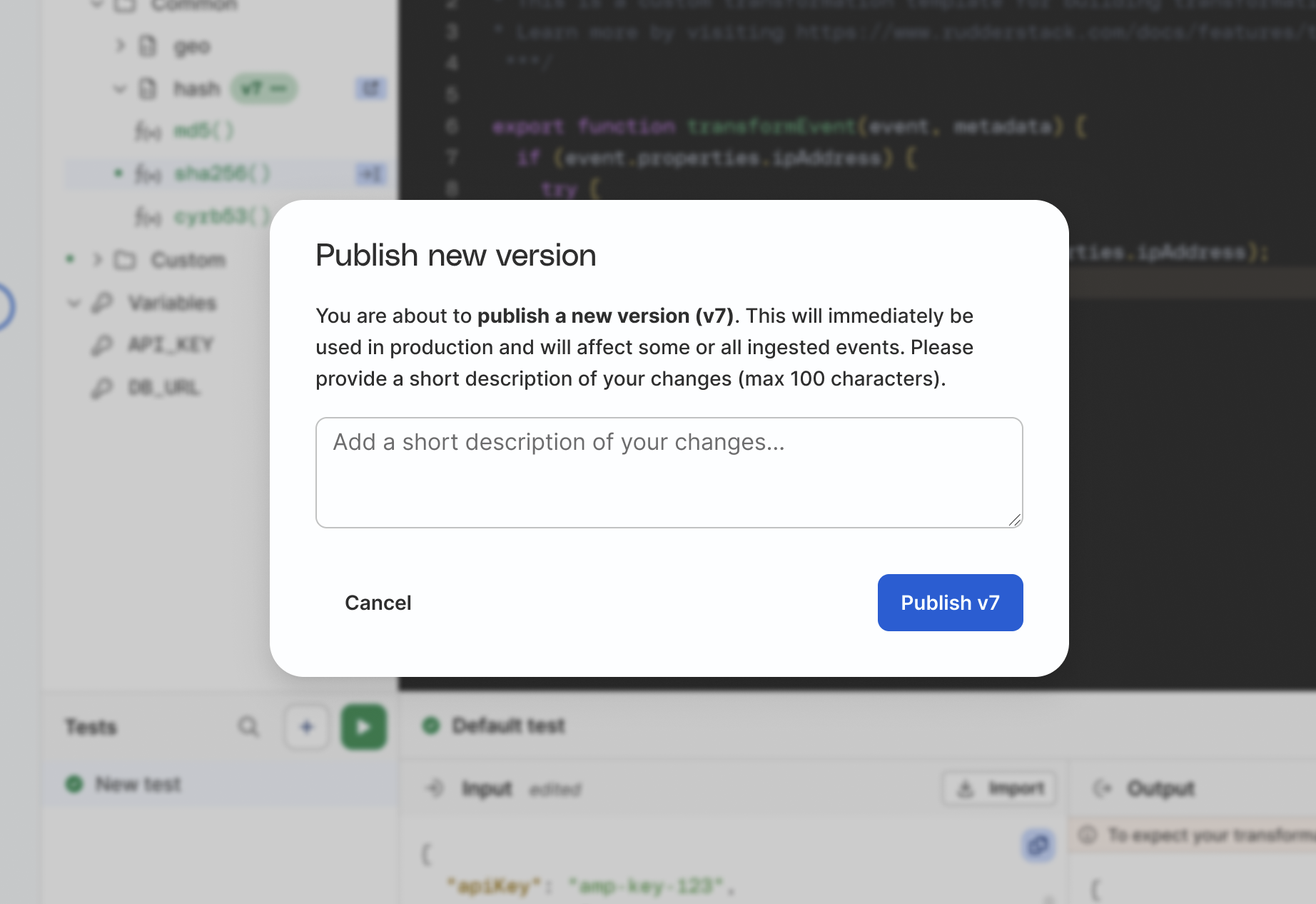
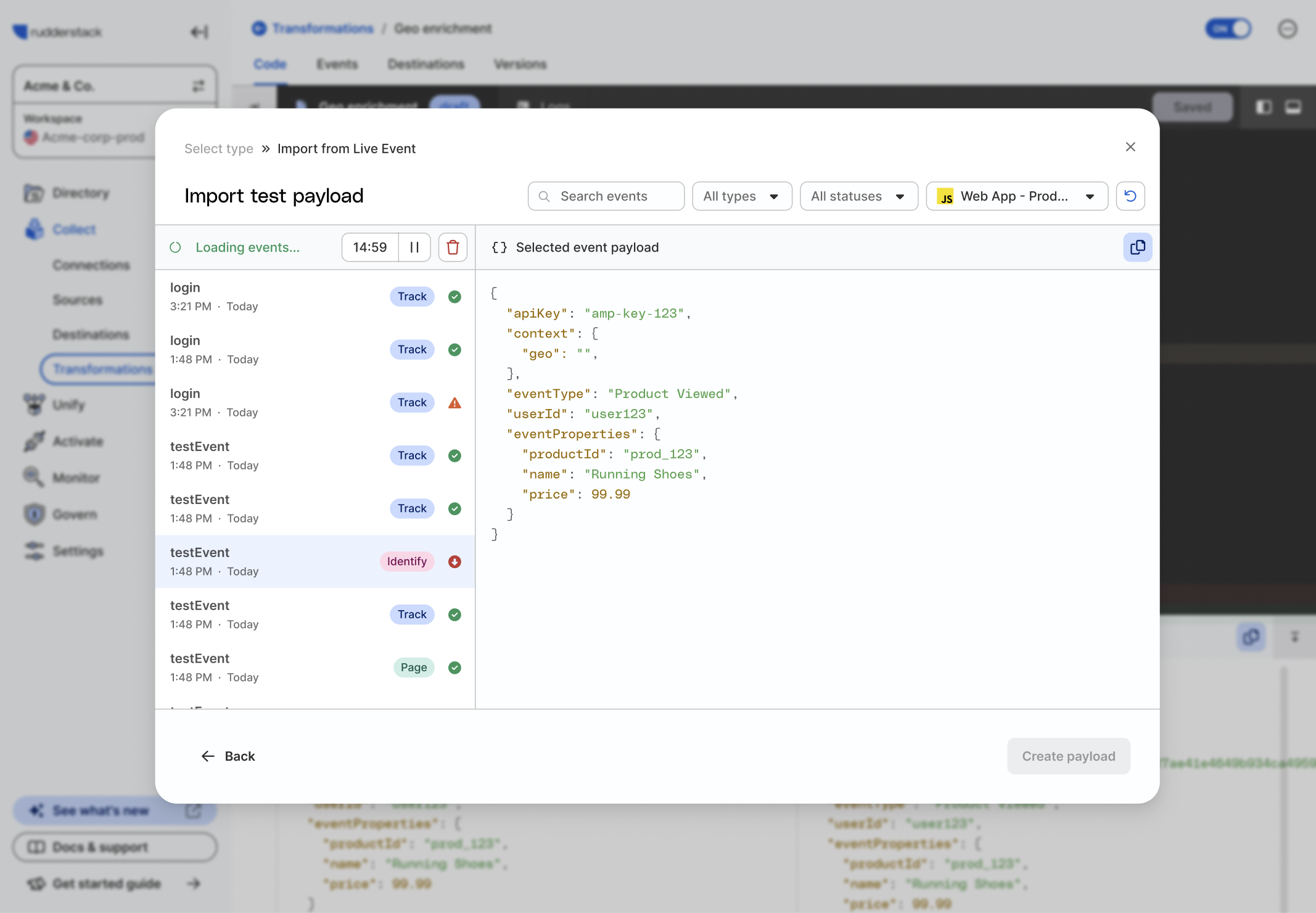
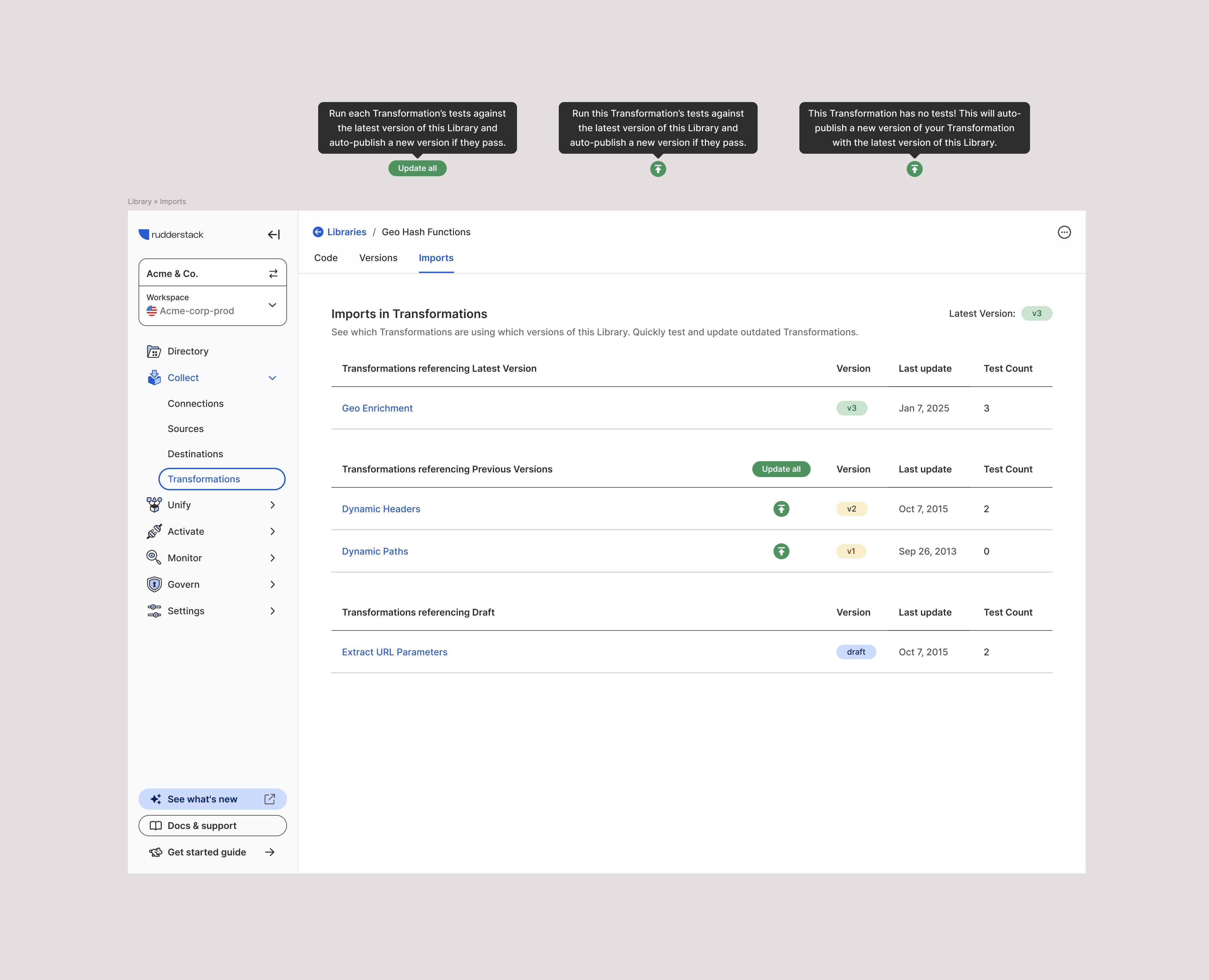
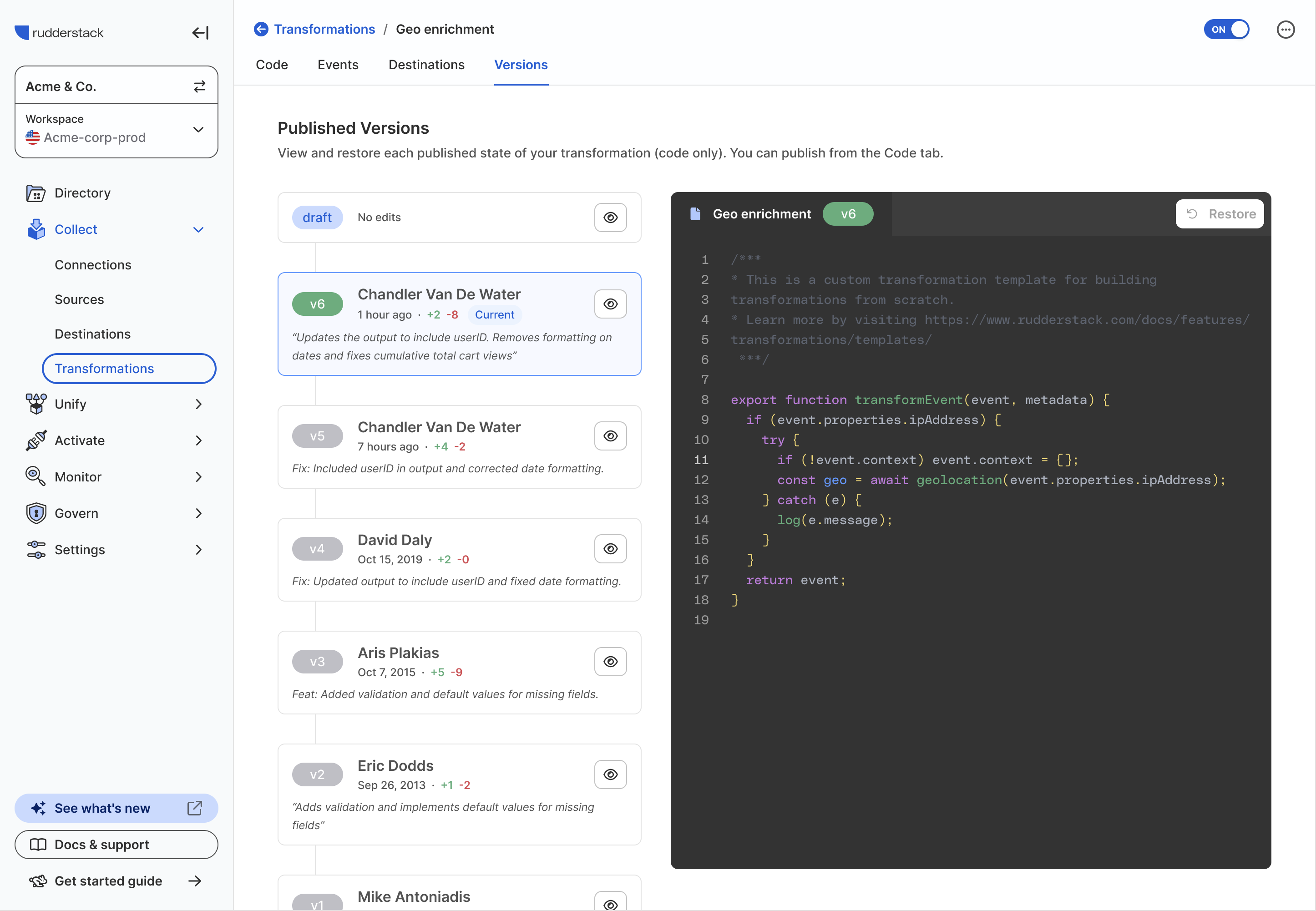
In the new design, I introduced clear draft vs. publish states, a structured asset library for reusable functions, and a built-in testing framework with input/output validation. These changes gave engineers greater transparency, safety, and control when deploying transformations, while aligning the UI with workflows developers expect from modern tooling.

In addition to rethinking the user flow, I established new paradigms for our design system by introducing code-specific styling and editing affordances. I standardized syntax highlighting, spacing, and inline feedback to create a consistent, readable environment that mirrors modern development tools. I also defined interaction patterns (draft indicators, test results, dependency warnings) that set a foundation for future editor-like experiences in the product. These system-level updates not only improved usability for Transformations but also expanded our design language to better serve technical workflows across the platform.
Interface & Design Screenshots

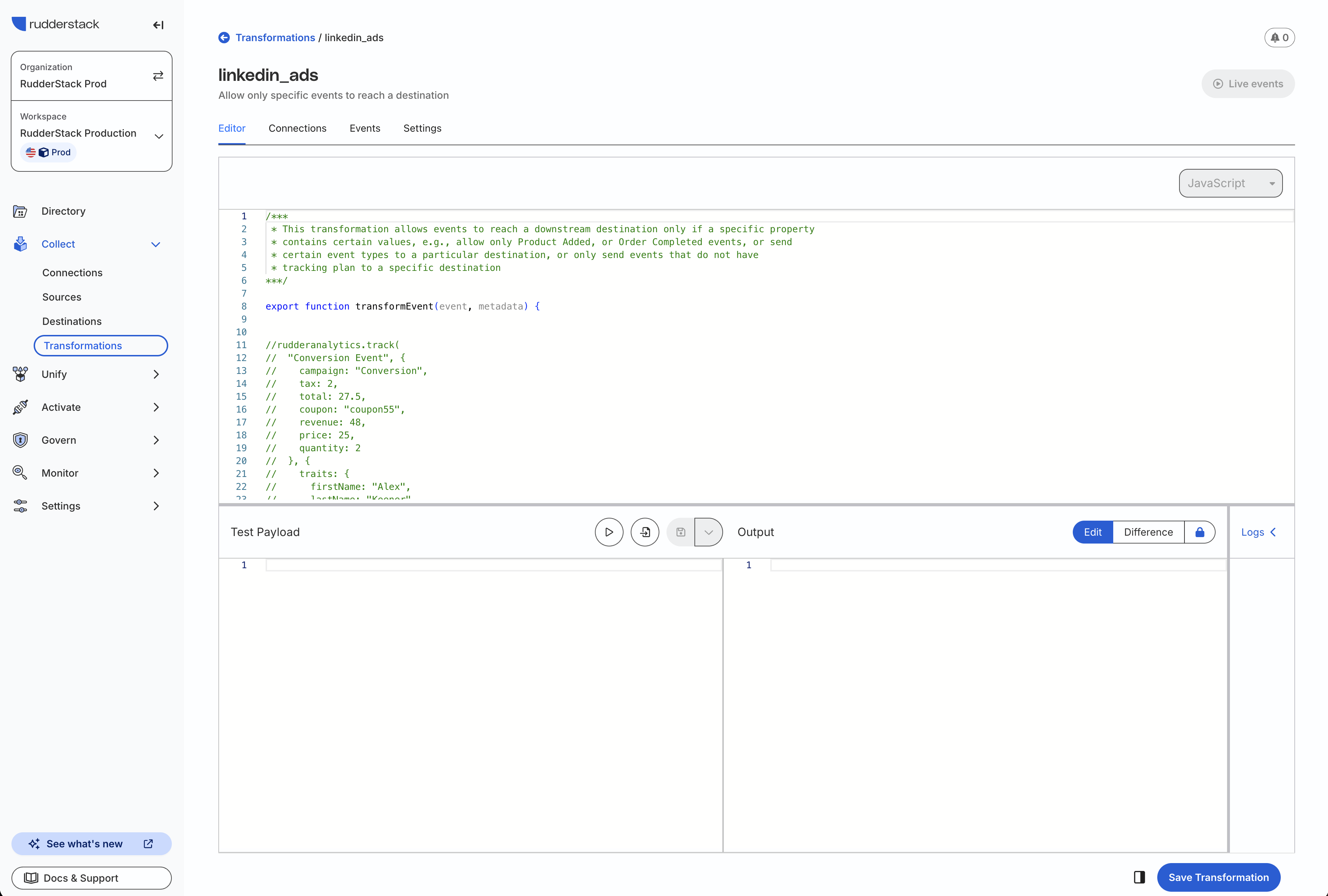
Previous Interface

Previous Interface

New Interface

New Interface

Publish Transformation

Publish Transformation

Import Payload

Import Payload

Update Libraries

Update Libraries

Version History

Version History

Impact

The redesign gave users confidence to safely test and version their work, making it easier to deploy code changes to production without fear of breaking data pipelines.

Marketing Site Rebuild
Senior Frontend Engineer at RudderStack

Led the migration from Gatsby to Next.js with modern patterns like ISR, RSC, and Server Actions, improving developer velocity and setting the foundation for future scalability.

Project Details

Next.js
Vercel
Sanity CMS
TypeScript

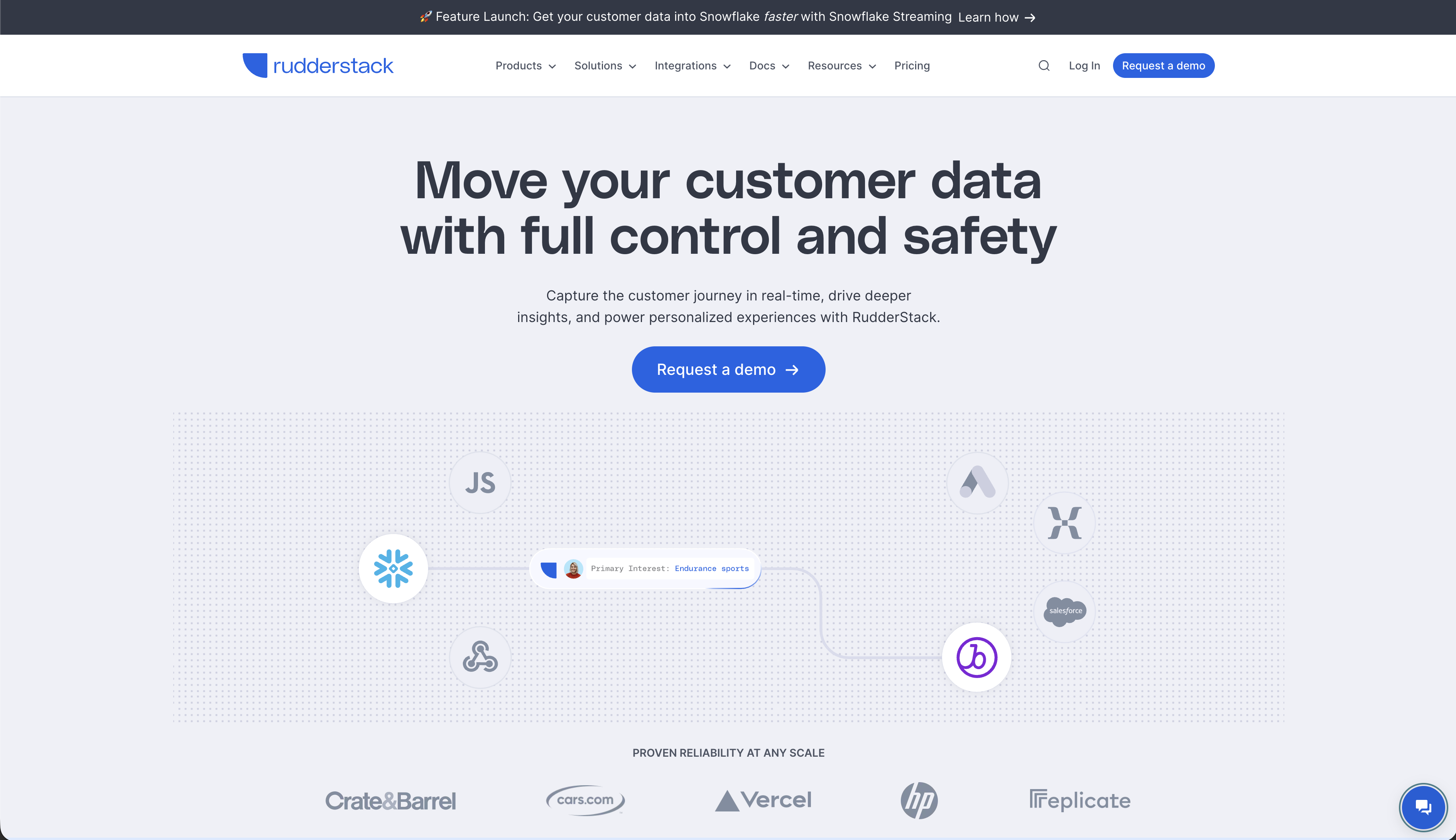
I led the rebuild of our marketing site by migrating from Gatsby to Next.js, deployed on Vercel. The project modernized our stack with TypeScript, a robust CI/CD pipeline, and Storybook to document and scale our Design System.

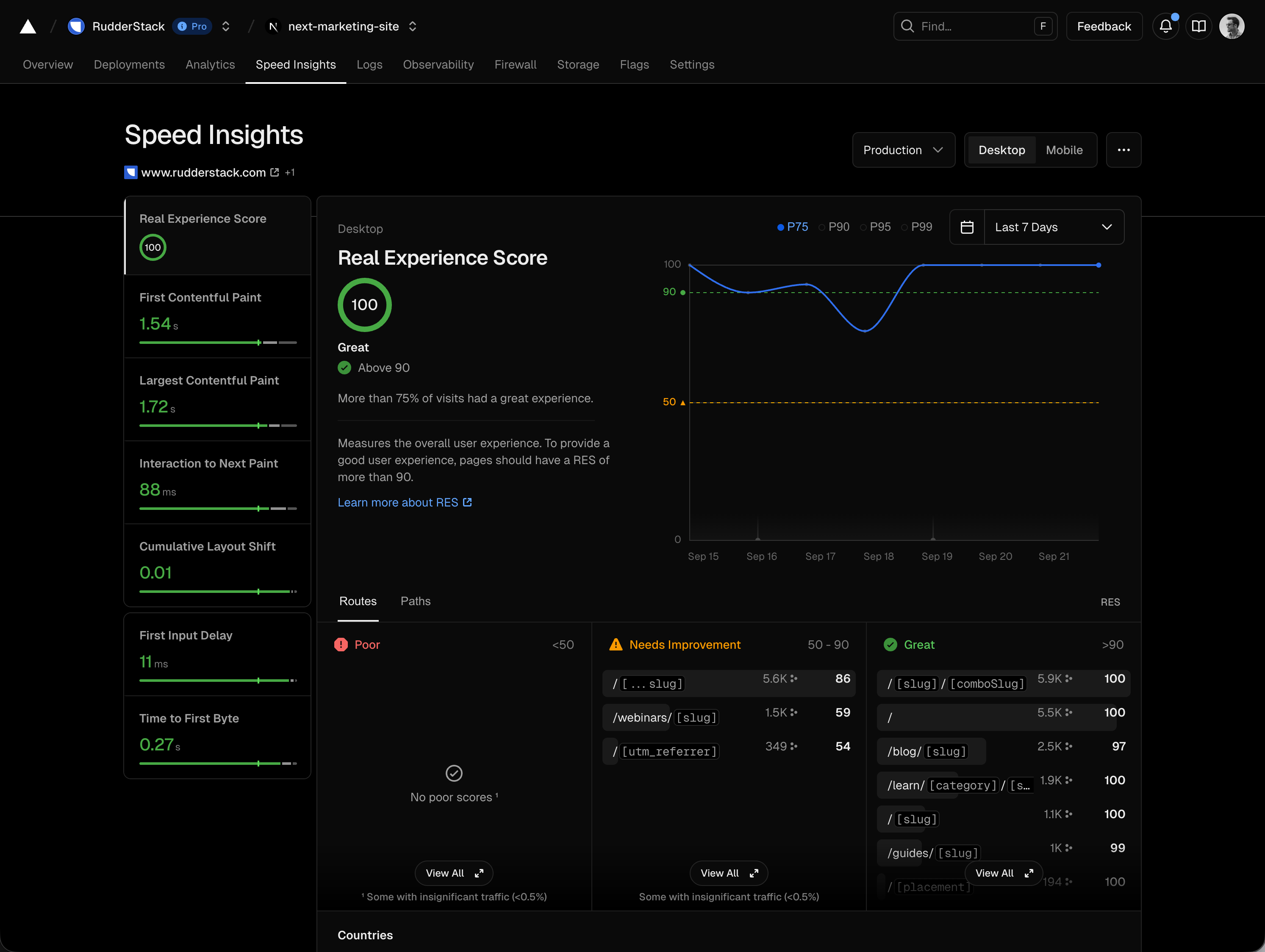
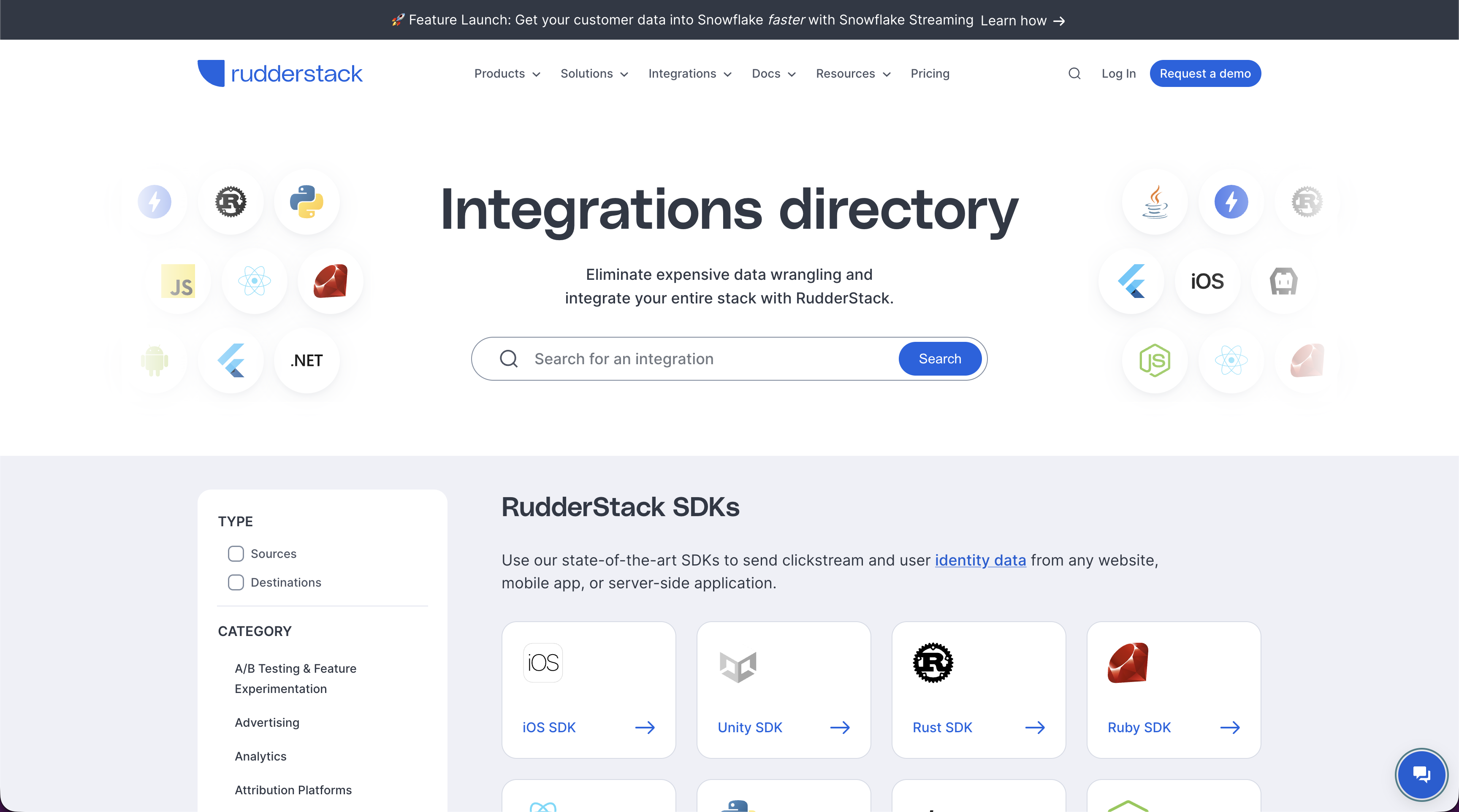
A critical optimization was separating our integrations directory from the main build process due to its massive size and complexity. By implementing Incremental Static Regeneration (ISR) with webhooks, we saved the team hours of build time every week, allowing them to move faster and deliver more value.

At RudderStack, dogfooding our own product is critical to understanding our customers' needs and paint points. I helped author a blog post about how I implemented our real-time personalization engine (using Vercel Edge Functions) on our marketing site as a guide for our customers.

We also implemented React Server Components (RSC) and Server Actions to leverage emerging Next.js patterns for performance and maintainability. I built out components for Storybook to support our Design System and utilized Chromatic to check for visual regressions.

Interface & Design Screenshots

RudderStack Marketing Site

RudderStack Marketing Site

Vercel Speed Insights

Vercel Speed Insights

RudderStack Integrations

RudderStack Integrations

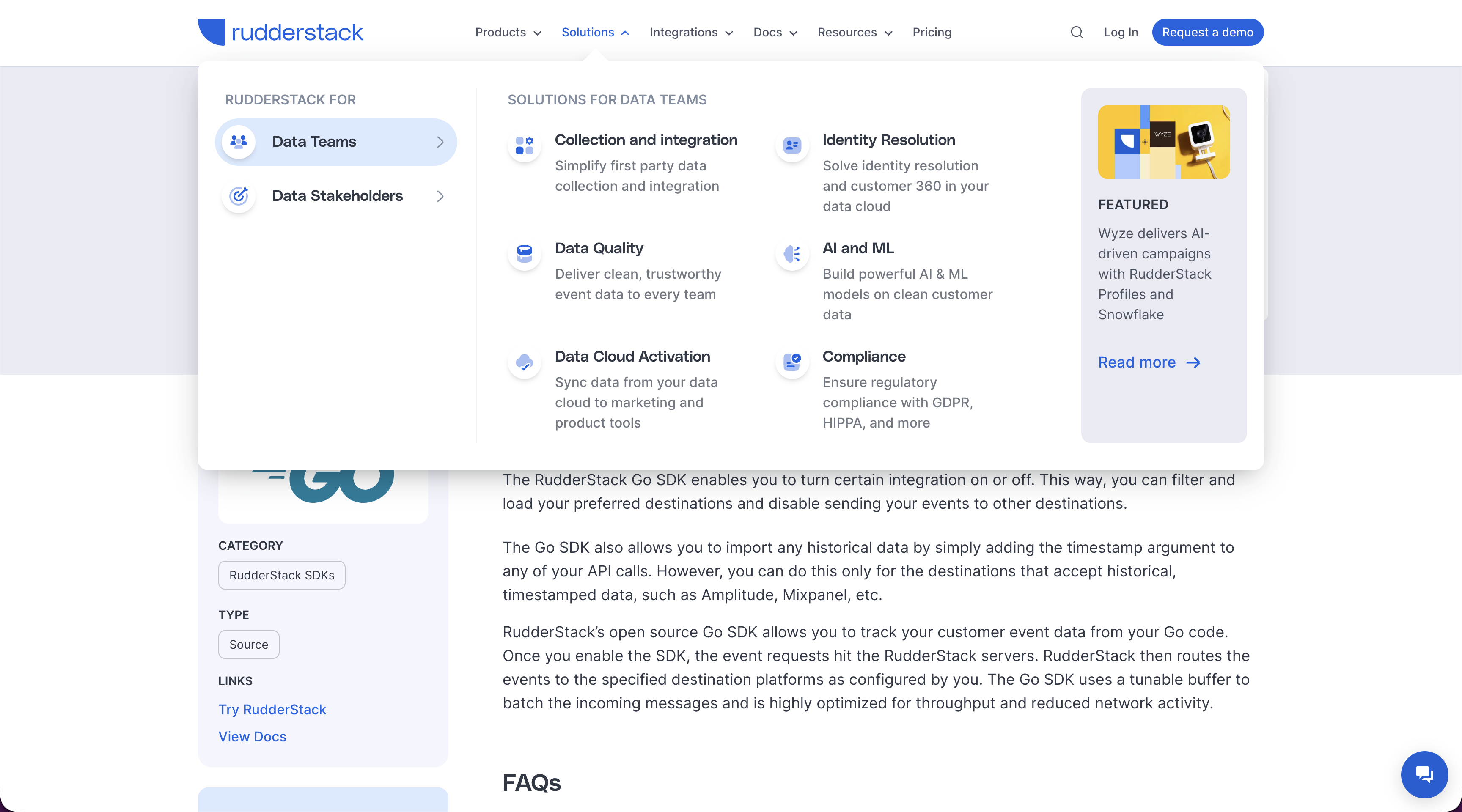
RudderStack Navigation

RudderStack Navigation

Impact

This migration improved developer velocity, site reliability, and design consistency but also set a foundation for future scalability. Ultimately, our marketing team was able to deploy new pages and features faster to increase business growth and qualified leads.

Industrial AI Platform
Principal of Frontend & Design at TwinThread

Designed & built UI for AI/ML platform serving both C-suite executives and factory floor operators across industrial processes.

Project Details

React
TypeScript
UI/UX
Data Visualization

Designed and built the complete UI for TwinThread's industrial AI platform, serving both C-suite executives and factory floor operators. Created interfaces for operational data visualization, AI model management, and custom dashboard creation that scaled across complex manufacturing processes.

The solutions I designed and developed required a deep understanding of both enterprise needs and operational workflows and are still in production today.

NOTE: Images are not available for this project as I no longer have access to the design files.

Impact

Extensible UI patterns and modern front-end enabled the platform to scale through 3x growth and expand into multiple industries including consumer products, food & beverage, and speciality chemicals.

What People Say

"Chandler was a critical part of the product team, not just as a designer and frontend engineer who could bring our products to life, but as an end-to-end product thinker who dug in to really understand the customer pain points and develop conviction around the right solutions."
"During his tenure at TwinThread, Chandler unified the design of the product and pushed for leading edge user experience. Chandler also was capable of taking stakeholder ideas and turning them into reality with, what seemed, relative ease."
"Chandler is one of the ‘hire them if you get the chance’ people I’ve worked with. He is a thoughtful software developer, has great design taste, and is a fantastic teammate - a rare combination in my experience."

Why Fullstory?

As both a designer and developer, I’ve often found myself searching for the kind of clarity FullStory provides, trying to understand where customers struggle and how to smooth their paths forward. That’s why FullStory resonates with me. It captures the real stories behind clicks and swipes, and does it with a respect for privacy that I value. Your combination of empathy, craft, and real-world utility is what makes me excited to contribute to FullStory’s vision.

Why me?

Design-Development Bridge

My unique ability to wear both designer and developer hats has been crucial for bridging teams, moving quickly, and owning product features from start to finish.

User Experience Focus

I've consistently focused on creating exceptional user experiences, implementing modern development patterns that prioritize both performance and usability - core principles that align with FullStory's mission.

Attention to Detail

I obsess over the details that matter, from pixel-perfect designs and smooth animations to clean, maintainable code and thoughtful error handling. This meticulous approach ensures every interaction feels polished and every implementation is robust.

Designer-Developer split visualization showing design and development skills

Let's Build
Something Great

I'm ready to discuss how my design-development expertise can contribute to Fullstory's mission of eliminating broken experiences and making the internet more human.